Source Lace Trim for Garments, Wedding Dresses, and Lingerie
Source lace trim from 30 verified listings in Fujian, China. Compare options made from spandex blends, featuring knitted mesh designs in white and black. Ideal for embellishing garments, wedding dresses, and lingerie with soft, eco-friendly materials; compare the available evidence and request quotations based on your requirements.
Key considerations
Products List
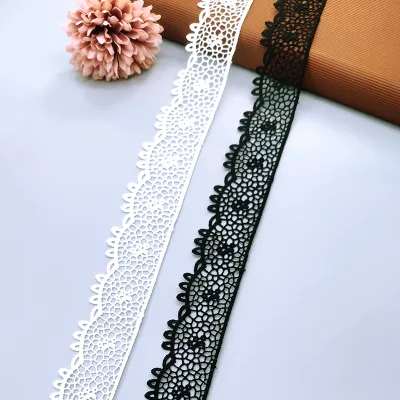
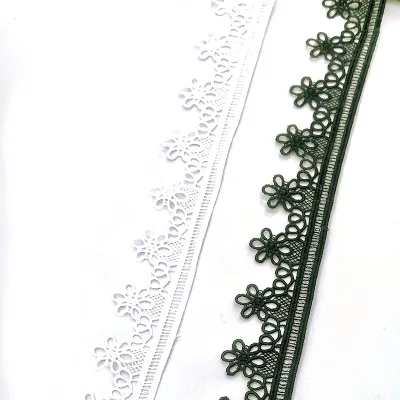
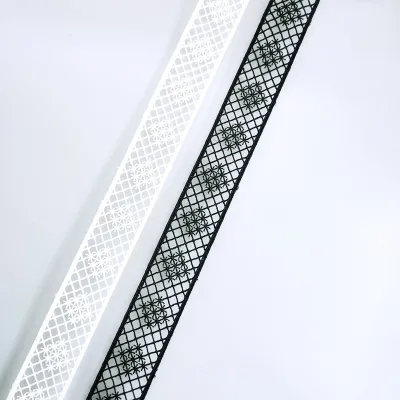
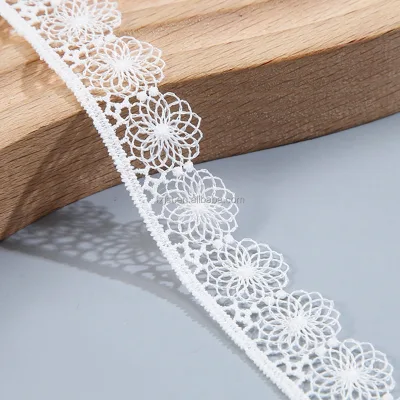
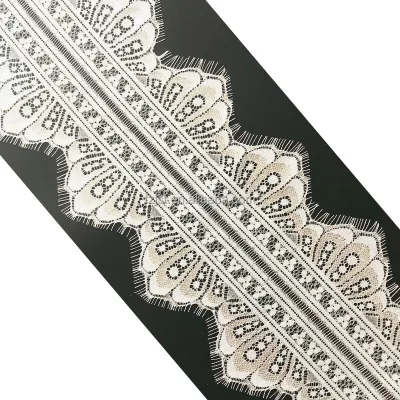
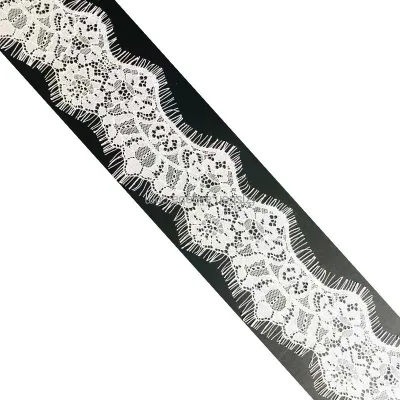

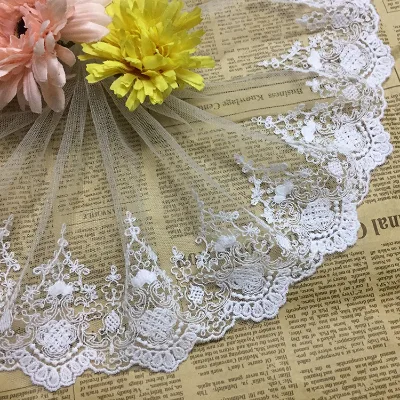


Comprehensive Sourcing Guide
Lace Trim Sourcing Guide
Sourcing lace trim requires a nuanced understanding of material composition, aesthetic versatility, and supply chain reliability. This guide synthesizes observed market signals and technical specifications to help procurement professionals navigate the complexities of acquiring high-quality trimmings for diverse garment applications. By focusing on verified attributes and commercial realities, buyers can mitigate risks associated with quality inconsistencies and delivery delays.
The following sections provide a structured approach to evaluating suppliers, verifying technical details, and establishing robust commercial terms. This framework ensures that procurement decisions are grounded in factual data rather than speculative claims, enabling more confident negotiations and better alignment with end-product requirements.
Product Scope and Observed Listing Signals
The current market landscape for lace trim reveals a diverse range of product types, from elegant floral designs to functional mesh-based trims. Observed listings indicate a strong presence of products made from Spandex/Nylon and Spandex/Polyester blends, catering to needs ranging from lingerie embellishment to general garment decoration. The visual appeal is often highlighted through descriptors like "Elegant," "Vintage," and "Sexy," suggesting that aesthetic customization is a primary driver for buyer selection in this category.
Price points vary significantly, with observed ranges spanning from minimal entry-level costs to substantial investments for specialized items. This variance reflects differences in material quality, width specifications, and design complexity. Buyers should note that while some listings offer free samples, the actual unit cost and minimum order quantities (MOQ) can fluctuate widely, necessitating careful comparison of total landed costs rather than just the sticker price.
Technical Specifications to Verify
Technical verification begins with material composition and physical dimensions. Key attributes to confirm include the fabric type, such as mesh or printed lace, and the specific blend of fibers like Spandex, Nylon, or Polyester. Width is a critical specification, with observed ranges extending from narrow trims of 2cm to wider bands up to 20cm or standard 58/60" widths. Ensuring the correct width is essential for compatibility with sewing machines and the intended garment structure.
Weight and texture also play pivotal roles in the final product's feel and drape. Listings often specify weight metrics, such as 145G/M, and describe the hand feel as "soft," which is crucial for items like underwear or wedding dresses. Additionally, pattern details, including color options like white or black and single-color designs, must be aligned with the design team's requirements. Buyers should request physical samples to verify these tactile and visual properties before committing to bulk orders.
Compliance and Safety Documentation
While specific certification statuses like ISO 14001, Oeko-Tex, or GOTS are mentioned in background data, buyers must independently verify the current validity and scope of these certifications for each supplier. Compliance with international safety standards is non-negotiable, particularly for products intended for intimate apparel or children's wear. Procurement teams should request up-to-date test reports that confirm the absence of harmful substances and ensure the materials meet the regulatory requirements of the destination market.
Documentation should also cover the quality grading of the lace trim. Listings frequently mention "A Grade" quality, but buyers need to understand the specific criteria used to define this grade. Clear definitions of defect tolerances, colorfastness, and shrinkage rates should be included in the purchase agreement. Without explicit documentation, the assumption of "A Grade" quality may not hold up during quality control inspections, leading to potential disputes and rejected shipments.
Cost Drivers and Commercial Terms
Several factors influence the final cost of lace trim, including material costs, production techniques, and customization requirements. The use of Spandex blends and intricate knitting techniques can drive up prices, while standard widths and common colors may offer more competitive rates. Buyers should also consider the impact of MOQs, which can range from small quantities to larger bulk orders, on the unit price. Negotiating volume discounts or flexible MOQs can significantly improve cost efficiency.
Commercial terms such as payment structures and lead times are critical components of the procurement process. A common practice involves a 30% deposit in advance, with the balance due before shipment. Delivery times typically range from 15 to 30 days after receiving the deposit, with sample orders potentially fulfilled within 7 days. Understanding these terms helps in planning inventory levels and cash flow, ensuring that production schedules are not disrupted by unexpected delays or payment issues.
Supplier Qualification and Quality Control
Evaluating suppliers requires a thorough assessment of their capabilities as either factories or trading companies. Both types of entities are present in the market, each offering distinct advantages in terms of pricing, communication, and flexibility. Buyers should verify the supplier's production capacity, quality control processes, and ability to handle customized orders. Requesting references or case studies from previous clients can provide valuable insights into the supplier's reliability and performance.
Quality control should be integrated into the procurement process from the outset. Implementing pre-production samples and in-line inspections can help identify potential issues early, reducing the risk of receiving substandard goods. Buyers should establish clear acceptance criteria for defects, color variations, and dimensional accuracy. Regular communication with the supplier regarding production progress and any emerging challenges is essential for maintaining quality standards and ensuring timely delivery.
Long-Term Procurement Checks
Building a sustainable supply chain for lace trim involves continuous monitoring and relationship management. Regular audits of supplier performance, including on-time delivery rates and quality consistency, are essential for maintaining high standards. Buyers should also stay informed about market trends and technological advancements in lace production, which may offer opportunities for cost savings or product innovation. Adapting to these changes can provide a competitive edge in the marketplace.
Long-term partnerships with reliable suppliers can lead to better pricing, priority treatment during peak seasons, and collaborative product development. However, it is prudent to maintain a diversified supplier base to mitigate risks associated with single-source dependencies. Periodic reviews of supplier contracts and performance metrics ensure that the procurement strategy remains aligned with business objectives and market conditions, fostering a resilient and efficient supply chain.
FAQs
How do I place a sample order for lace trim?
You can request samples before committing to bulk production, and samples are offered free of charge for this lace trim. Sample orders are supported with a 7-day lead time, so you can evaluate the knitted quality, width options, and hand feel quickly. After approving samples, confirm specifications and place a deposit to begin production.
What materials and widths are available for this lace trim?
The lace trim is knitted from spandex blended with nylon or polyester, giving a soft hand feeling and slight stretch. Width options vary by model, ranging from narrow trims around 2cm to wider panels up to 20cm, with some fabric styles at 58/60 inches. Choose the width based on whether you are edging garments or decorating larger areas.
Can lace trim be customized for my garment designs?
Yes, customization is acceptable for this lace trim, including adjustments to pattern, width, and color within production capabilities. The listing shows styles such as white and black floral trims in elegant, vintage, and sexy designs. Discuss your artwork or reference sample with the supplier, confirm minimum order quantities, and agree on specifications before mass production begins.
What is the minimum order quantity and payment terms for lace trim?
The listed minimum order quantity is 500 yards, which suits small to mid-size garment and decoration projects. Payment follows a deposit structure of 30% in advance, with the balance due before shipment. Production delivery is within 15 to 30 days after the deposit is received, depending on order size and customization requirements.
How is the lace trim shipped and packaged?
Shipments can be arranged by sea, air, or express depending on your urgency and budget. Selling units are single items, with compact individual packaging; for example, some models list package sizes like 15X10X5 cm and light gross weights around 0.03 kg. Larger volume orders are typically consolidated for sea freight to reduce shipping costs per yard.
Which applications suit this type of lace trim?
This lace trim is used for dresses, underwear, wedding and party dresses, scarves, shoes, bags, gifts, and home textiles. The mesh fabric type and soft spandex blend make it comfortable against skin, which suits lingerie and garment edges. Narrow 2cm trims work well for delicate edging, while wider 20cm or 58/60-inch pieces suit panels and embellishment.